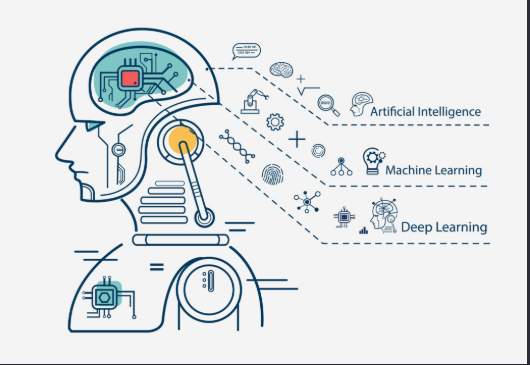

Effective AI learning for beginners combines clear basics with hands-on practice. It starts by defining goals, data ethics, and biases, then moves through bite-sized courses and interactive labs that offer quick feedback. Clear explanations of models, data, and evaluation metrics build a usable framework, while small projects foster steady progress. The approach emphasizes autonomy and gradual mastery, ensuring a structured path that remains approachable. What practical steps come next to start building confidence, one small project at a time?
What AI Basics You Need to Know First
Understanding the basics of artificial intelligence is essential before diving into advanced topics. This section outlines core concepts that empower independent exploration. It covers goals, limitations, and practical applications, emphasizing responsible practice. Attention is given to model biases and data ethics, highlighting how choices in data and design shape outcomes. Clarity, structure, and accessible language support learners seeking freedom through informed study.
See also: pixelguest
Bite-Sized Courses and Interactive Labs to Try
Bite-sized courses and interactive labs offer a practical entry point for beginners, delivering focused lessons and hands-on practice in short, manageable sessions.
They emphasize active learning, quick feedback, and autonomy.
Clear objectives guide exploration, reducing overwhelm.
This approach counters Minimal AI myths and reinforces Data hygiene, encouraging responsible experimentation while maintaining curiosity, structure, and the freedom to progress at a personal pace.
Clear Explanations of Core Concepts You’Ll Encounter
Clear explanations of core concepts help beginners build a solid foundation before diving into hands-on work. The discussion emphasizes concept clarity, enabling learners to distinguish terms like models, data, and evaluation metrics without intimidation.
Hands-On Beginner Projects to Practice and Build Confidence
Beginner-friendly projects provide structured, low-risk practice that reinforces core AI concepts through hands-on application. Hands-on tasks enable learners to experiment with small datasets, iterate quickly, and build confidence. Projects should emphasize accessibility and clarity, using beginner friendly datasets and straightforward objectives. Emphasize evaluation simplicity, guiding students through simple model evaluation, error analysis, and iterative improvement to cultivate independence and curiosity.
Frequently Asked Questions
How Do I Choose My First AI Learning Path?
They should pursue Exploring beginner friendly curricula and Selecting foundational programming languages, then compare fundamentals, project scope, and pace; a flexible, curiosity-driven path emerges, balancing theory and practice to nurture autonomy and sustained motivation.
What Are Common AI Career Entry Points and Roles?
70% of AI roles require only entry-level foundations. The text outlines common career entrypoints and entry level roles, including data analyst, ML engineer, AI product/manage roles, and research assistant, framed with freedom, clarity, and accessible structure.
Which Tools Are Essential for Beginners’ AI Practice?
Essential tools include accessible programming environments, notebooks, and lightweight frameworks; beginners should balance basic theory with practical practice. Hardware requirements are modest for initial experiments, emphasizing CPU efficiency, memory, and optional GPUs for deeper learning tasks.
How Long Does It Take to Become Proficient in AI Basics?
Becoming proficient in AI basics varies, but a typical time commitment ranges from a few months to a year with consistent study. The journey emphasizes steady practice, structured goals, and gradual complexity to balance freedom and discipline.
What Are Ethical Considerations Beginners Should Know?
Ethical considerations include privacy concerns and data ownership, he notes, like footprints in a quiet forest—visible yet often overlooked. Beginners should respect consent, seek transparency, question biased data, and pursue accountability, ensuring freedom and safety in AI exploration.
Conclusion
In sum, beginners can steadily build competence by pairing foundational ethics with practical, hands-on practice. The path emphasizes clarity: simple concepts, bite-sized lessons, and quick feedback loops that sustain momentum. As learners progress through labs and small projects, they solidify mental models for data, models, and evaluation. Staying curious and patient is essential, like laying bricks one by one toward a sturdy wall—every small effort adds up to a durable AI understanding.
